Forage Friday #38 Mistletoe

Hello friends! Tonight’s feature image was taken just for Forage Friday. All of the photos are my original work and are available for purchase by the instructions at the bottom of the article.

While mistletoe is not known to have ever caused human death it is toxic and is likely to make you very sick. I normally wouldn’t include such a plant in a Forage Friday post however it does have a market value as a Christmas decoration could feed you indirectly if you’re crafty enough to collect it and transform it into decor to be sold as such for a profit.

Throughout the Appalachian Mountains the bare branches stand out in contrast to the sky. However, along the Kanawha River some of the trees still have thick green clusters of leaves that seem to form lose spherical shapes in random locations in the trees. In winter this is the tell tale sign of mistletoe.

As stated in the warning above mistletoe has no food value. It is a parasite to the tree that hosts it and often causes deformation of wood. It’s peg like root grows into the cambium layer and diverts nutrients from the branches. The white sticky seeds are toxic except to birds. In fact, the only thing that mistletoe has going for it the culture that’s provided a niche for it to fill.

I have done a little research on the origin of mistletoe as a Christmas tradition and following is a very abbreviated layman’s version of the tradition of kisses under the mistletoe.

Well before that famous kiss between mommy and Santa Claus the mistletoe plant was a symbol of love and benevolence in the Norse cultures. I know that Thor gets all the Press because of Marvel’s Avengers and Stan Lee’s wonderful imagination but back the Baldr ( Sometimes spelled Balder) was the big hero. In the Norse mythology Baldr was a god with a pretty impressive talent. He was invulnerable. So much so that the other gods made a game of testing their weapons on him. However, Loki managed to learn that Baldr’s one weakness was mistletoe and depending on the version of the story struck him with either a dart or an arrow made from mistletoe. Which of course lead to Loki being asked to leave the party in an unceremonious manner. Everyone was bummed out over the death of Baldr including the mistletoe. So the Norse gods struck a deal with mistletoe. ( everything in Norse mythology has a personality) Mistletoe would promise never allow itself to be used as a weapon again ( in spite of the fact that it is a poison) and in return the gods would make it a symbol of love.

Then in 18th century England (and presumably because the myth had gained some resurgence ) a “game” was created where merrymakers were allowed to steal a kiss from any girl caught under the mistletoe. There also seemed to be a rule that for each kiss a white berry was removed from the sprig and once the berries were all gone the kissing game was over.

I have tried to learn how the mistletoe tradition made it into the Christian traditions of Christmas. As the church began to adapt it’s own versions of the pagan holidays many the elements were converted and assigned an alternative myth. However, mistletoe seems to have been more tolerated than adapted and therefore I could no alternate myth.

I did mention that if you’re crafty enough to make a kissing ball that mistletoe might provide a little extra holiday income. I couldn’t find any special instructions for preserving mistletoe however Southern Living magazine recommends harvesting the sprigs with a shotgun. Now I like to shoot guns but I’m going to recommend that you use a pole pruner so as not to have little holes in your decorations. 😉

I did a quick check on Amazon for a mistletoe kissing ball and an 8 inch diameter plastic kissing ball was priced at $12-$15. My gut feeling is that a well made natural mistletoe ornament should be worth at least $25 and there’s plenty of craft shows and farmer’s markets to sell them in.

Hello Friends and thank you for your support of my page. If you have enjoyed the photos or the writings please let me know by commenting and sharing my work on your social media. I also want to invite you to Follow Lloyds Lens Photography on Facebook

If you would like to Follow me on Facebook the web address is

https://www.facebook.com/aviewfromthelens/

If you’re enjoying my blog and don’t want to miss a post then you can sign up for email alerts on my website.

https://lloydslensphotographyllc.com/

Did you know that I also do portraits by appointment? If you’re interested in a portrait session either message me on Facebook or Use the Contact form. The YouTube link below takes you one of my slideshows.

https://youtu.be/FDcrY6w8oY8

Have you checked out the Zazzle Store?

I’m now using Zazzle to fulfil orders. What this means for you is a secure way to place an order, discount codes & a broader product selection! Simplymessage me on Facebookoruse the contact form on my websiteand tell me which image you want and I’ll reply with a direct link to where you can place the order.

Clicking on the photo takes you tohttps://www.zazzle.com/lloydslensphotos?rf=238248269630914251Lastly, all of the photos and writings are my original work unless otherwise specified and are not to be copied or reproduced without expressed written permission from the photographer.

Thank you again for your support of my page!❤
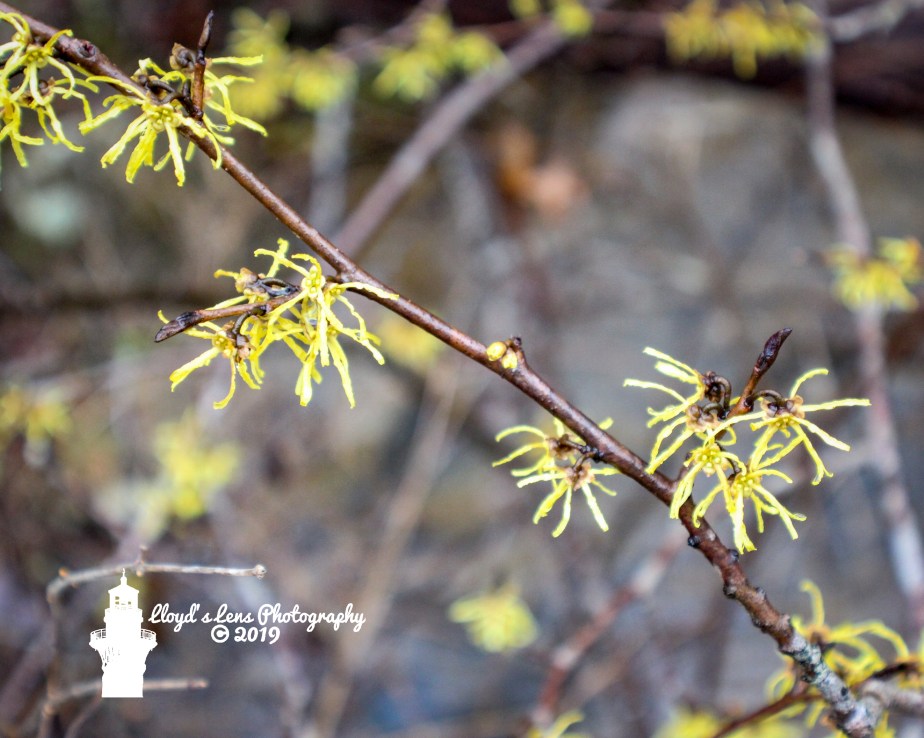
Forage Friday #37 Witch Hazel

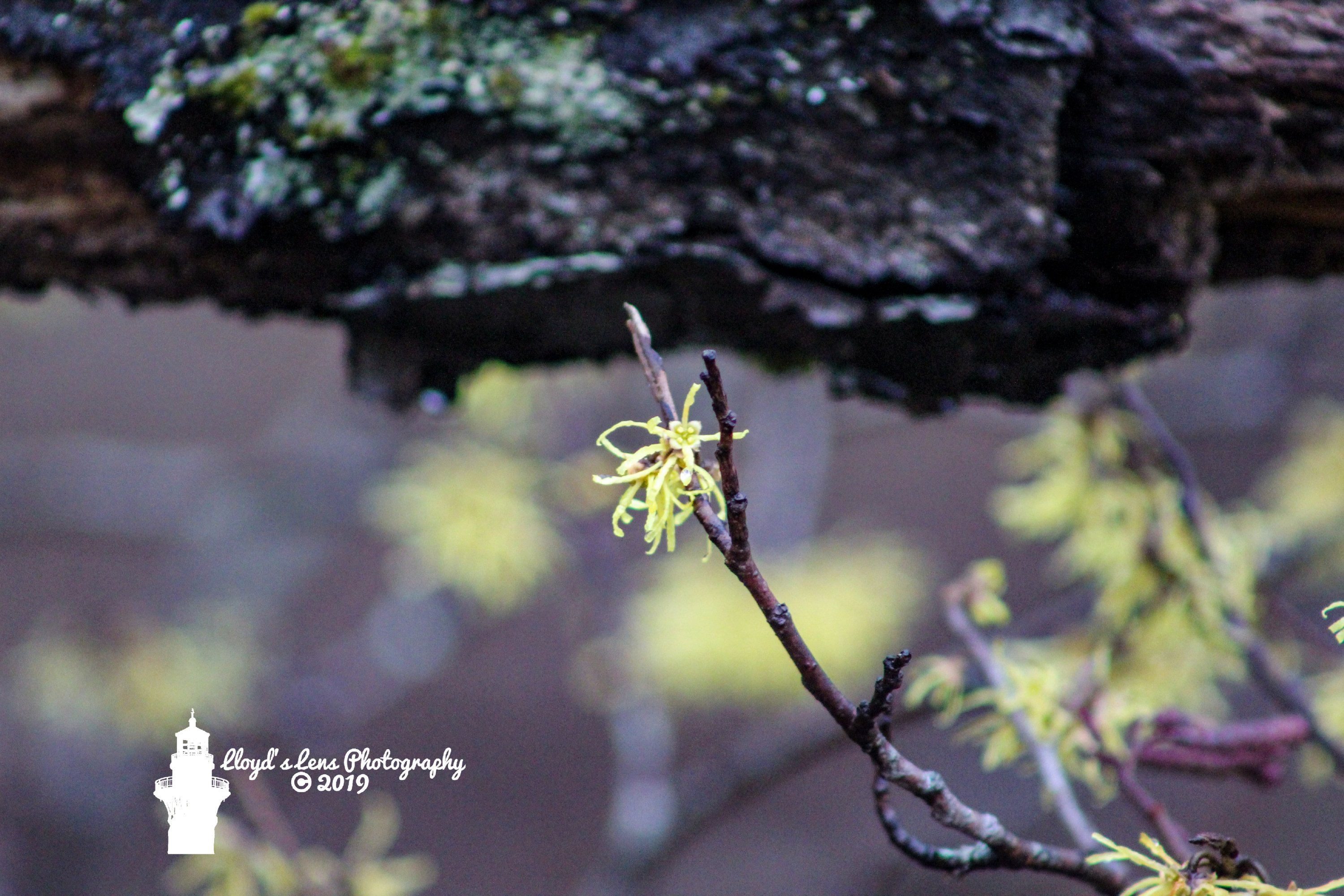
Hello friends! Tonight’s feature image is titled “Witch Hazel 121319A”. All of the photos are my original work and are available for purchase by the instructions at the bottom of the article.

The young boy was fighting back his tears as he sat on the edge of the tub while his mother washed the dirt and blood from his knees. The cool water from the tap helped to numb his wounds a little. The abrasions were not that bad once they were cleaned up but when you’re that young everything seems like an emergency. His mother spoke in a soothing voice and braced her child for the next step. She retrieved an amber bottle from the medicine cabinet and poured out a clear liquid into a cotton ball. The medicine stung his broken skin at first but soon the astringent qualities of the witch hazel kicked in and made the pain stop.

It’s rare that I do a Forage Friday post on a plant that to the best of my knowledge has absolutely no uses as food. But witch hazel is one of those plants that is probably already in your own medicine cabinet. The parts used are the leaves, twigs and inner bark. However, it’s because of it’s late Fall/Early Winter bloom that I’ve waited until now to include it in a Forage Friday post.

Witch Hazel flowers are a beautiful sight during the dark rainy days of December. 

The delicate flowers of witch hazel always seem to open at just the right time to add some beauty to the otherwise disheartening landscape.  They’re also pollinated by winter moths that are able to survive freezing temperatures by living in the leaf litter to hide from the cold. Wild witch hazel is what we see in tonight’s pictures but a quick Google search shows that there are cultivars that can be planted and have a bloom that is more showy and displays various shades of red and orange.

I also learned while researching the article that there is only one industrial provider of witch hazel in the United States. The trees are farmed on a river bank. Once they’re ready for harvest the entire tree is coppiced (cut so that it will regenerate and friends back) and chipped. The chips are then dumped into vats of alcohol where the tannins are leeched out and then the alcohol is cooked off. The description of the process implies that the steam is collected and condensed into the liquid we find under various labels. It all comes from one supplier and there seems to be a lot of regulatory requirements that guide the production.

A witch hazel twig showing the bud and leaf scar. Leaf scars are like fingerprints that help identify the tree. Witch hazel buds resemble a deer’s hoof.

I also found a process for home production.  It was rather simple.  Collect the leaves, twigs and inner bark (one tablespoon per cup of distilled water) and soak them in water for about 30 minutes and then bring it to a boil. Simmer for ten minutes. Allow the decoction to steep for another ten minutes before straining and bottling.

The beautiful witch hazel growing with the alder from last night’s article.

I’m constantly scanning the environment for native species to incorporate into my landscape. While I’m probably never going to produce enough witch hazel to unseat the one supplier it is not only a beautiful flowering bush to help add color in the winter but a handy resource to have around a homestead.

Hello Friends and thank you for your support of my page. If you have enjoyed the photos or the writings please let me know by commenting and sharing my work on your social media. I also want to invite you to Follow Lloyds Lens Photography on Facebook

If you would like to Follow me on Facebook the web address is

https://www.facebook.com/aviewfromthelens/

If you’re enjoying my blog and don’t want to miss a post then you can sign up for email alerts on my website.

https://lloydslensphotographyllc.com/

Did you know that I also do portraits by appointment? If you’re interested in a portrait session either message me on Facebook or Use the Contact form. The YouTube link below takes you one of my slideshows.

https://youtu.be/FDcrY6w8oY8

Have you checked out the Zazzle Store?

I’m now using Zazzle to fulfil orders. What this means for you is a secure way to place an order, discount codes & a broader product selection! Simplymessage me on Facebookoruse the contact form on my websiteand tell me which image you want and I’ll reply with a direct link to where you can place the order.

Clicking on the photo takes you tohttps://www.zazzle.com/lloydslensphotos?rf=238248269630914251Lastly, all of the photos and writings are my original work unless otherwise specified and are not to be copied or reproduced without expressed written permission from the photographer.

Thank you again for your support of my page!❤
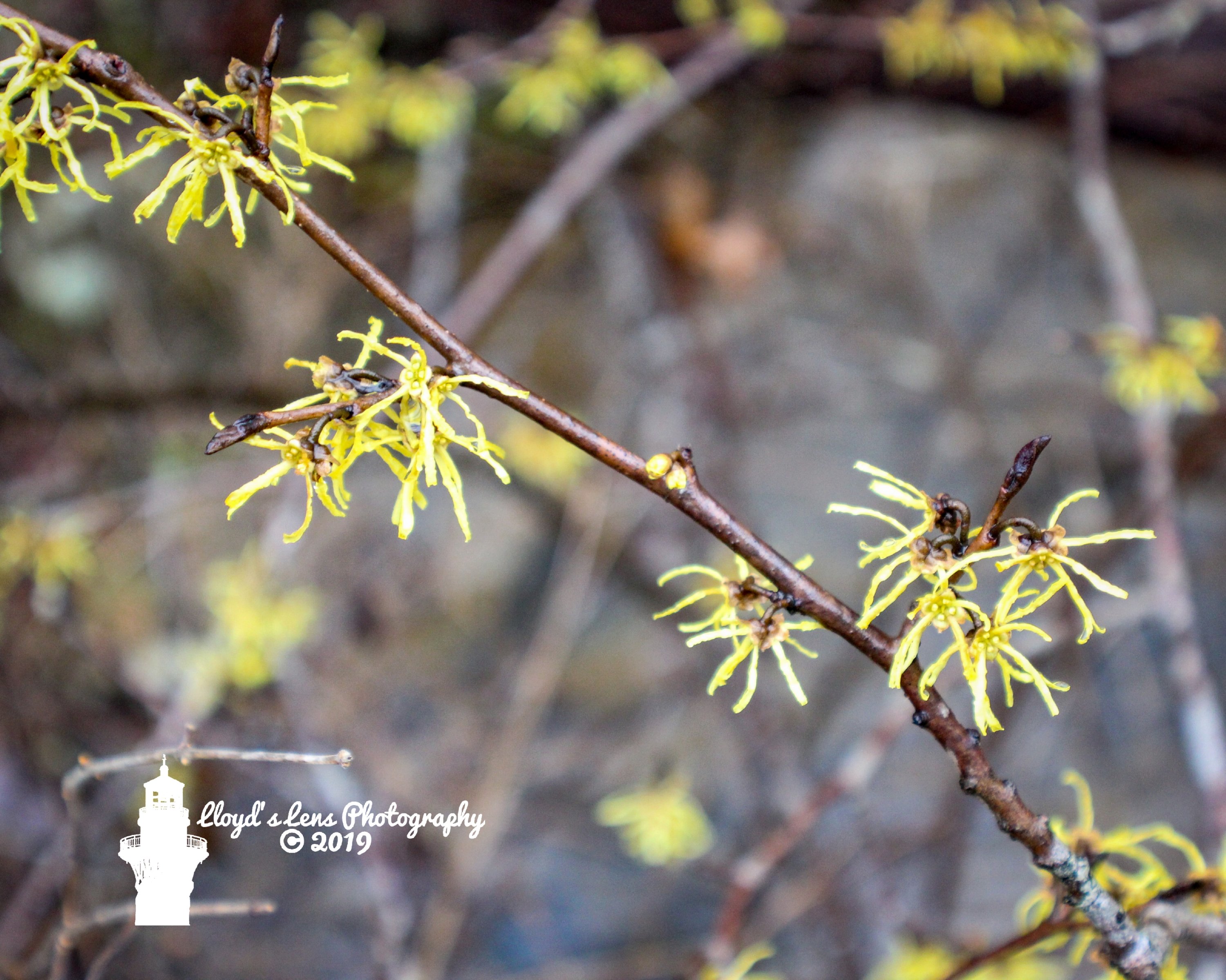
Forage Friday #36 Basswood

Hello friends! Tonight’s feature image was taken just for Forage Friday.  All of the photos are my original work and are available for purchase by the instructions at the bottom of the article. 

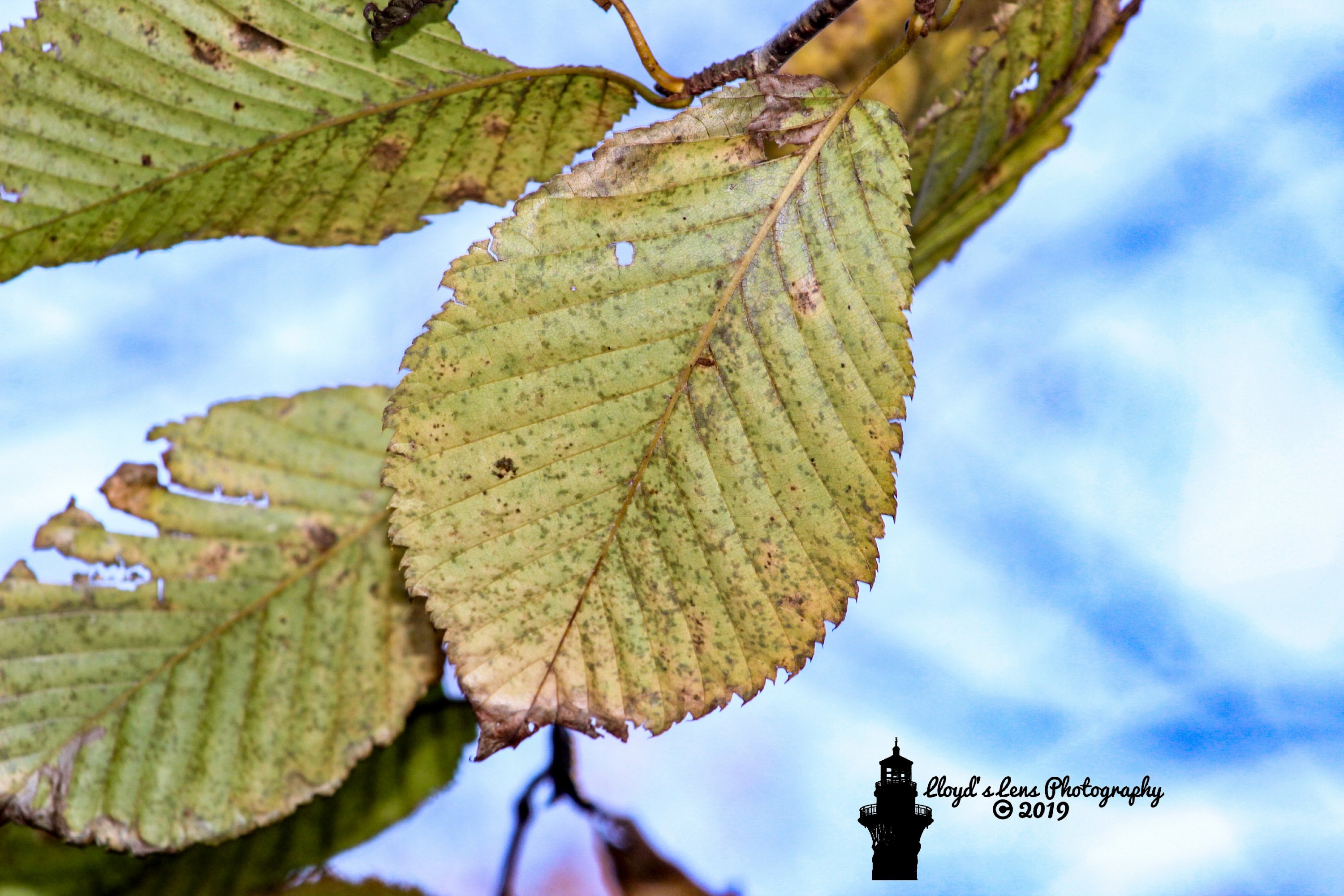
It’s said that only God can count the number of trees there are in a seed. And one of most unique seeds on my mountain is the Basswood. (Known as lime it linden by my European readers. ) Basswood gets it’s name from the fibrous inner bark that comes in interwoven strands that was called bass in the old days. The bass is best collected from wood that’s been dead for the few days but once you have it it’s made into cordage by twisting and coiling. The resulting cords can me made into fairly strong rope or baskets.

The wood from Basswood is best known for carving. It’s fairly soft and easy to shape by beginners. But it’s also the secret behind Viking shields. The wood is relatively easy to peel into sheets. These sheets were then layered in a way that is similar to the way plywood is made today. The trick is to make the grain of the wood criss cross on a 90 degree angle so that the layers support each other. The Vikings held the layers together with a glue made from milk. Think of how tough it is to scrape melted and dried cheese out of a dish and you’ll get idea of how strong the milk glue is. A final layer of linen was glued on and painted. The whole shield would be reinforced with either an iron ring or laminated linen. This technique lasted well into the Renaissance .

Defense from roving bands of Viking raiders isn’t really a priority today but the Basswood is still a tree with a lot to offer.  The mildly sweet flowers are a favorite food for honey bees and are collected by herbalists. The tea made from linden flowers is used for a wide variety of issues. The properties of the tea are said to be especially useful for colds and flu.  The tree is rich in mucilage ( a slimy type of plant fiber that also found in okra ) which is soothing to sore throats and believed to help congestion of the airways.  The linden flowers are also said to be a mild sedative as well as help fight inflammation. ( as always please remember that I have no medical training and I’m only pointing out interesting tid-bits with the intention of providing a conversation starter. ) 

The food value of Basswood is if particular interest to me. Not only does it provide honey (with help from the bees ) but it can also feed us directly. Several of my primitive serval books talk about the spring buds being used to thicken stews. Or that can be steamed and eaten by themselves. The young leaves if Basswood have been useful in salad. Older leaves are edible but not as tasty. They can also be a little tough if they’re too mature. There’s about thirty species of tilia ( The scientific name of Basswood) and this quality might vary depending on the species and growing conditions. The food potential for Basswood makes it a desirable tree for those who might live in areas with limitations on gardening since it’s mainly grown as landscaping. A single tree planted as landscaping probably won’t feed you all year round but the option of collecting the flowers for a high quality tea could provide a source of enjoyment and give you that sense of accomplishment that all gardeners have.

Hello Friends and thank you for your support of my page. If you have enjoyed the photos or the writings please let me know by commenting and sharing my work on your social media. I also want to invite you to Follow Lloyds Lens Photography on Facebook

If you would like to Follow me on Facebook the web address is

https://www.facebook.com/aviewfromthelens/

If you’re enjoying my blog and don’t want to miss a post then you can sign up for email alerts on my website.

https://lloydslensphotographyllc.com/

Did you know that I also do portraits by appointment? If you’re interested in a portrait session either message me on Facebook or Use the Contact form. The YouTube link below takes you one of my slideshows.

https://youtu.be/FDcrY6w8oY8

Have you checked out the Zazzle Store?

I’m now using Zazzle to fulfil orders. What this means for you is a secure way to place an order, discount codes & a broader product selection! Simplymessage me on Facebookoruse the contact form on my websiteand tell me which image you want and I’ll reply with a direct link to where you can place the order.

Clicking on the photo takes you tohttps://www.zazzle.com/lloydslensphotos?rf=238248269630914251Lastly, all of the photos and writings are my original work unless otherwise specified and are not to be copied or reproduced without expressed written permission from the photographer.

Thank you again for your support of my page! ❤

Forage Friday #35 Fish

Hello friends! Tonight’s feature image was taken just for Forage Friday. All of the photos are my original work and are available for purchase by the instructions at the bottom of the article.

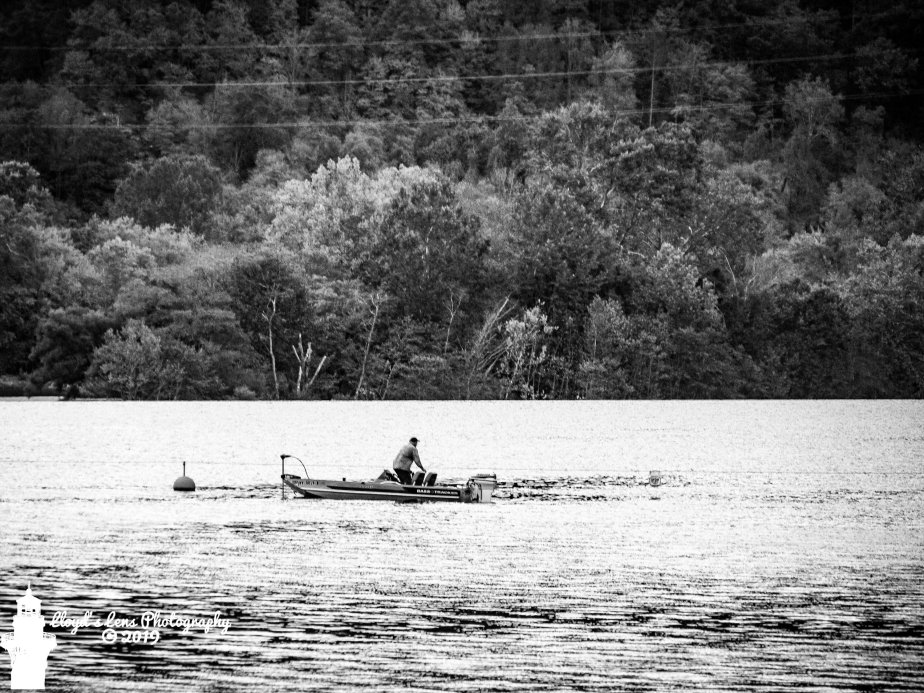
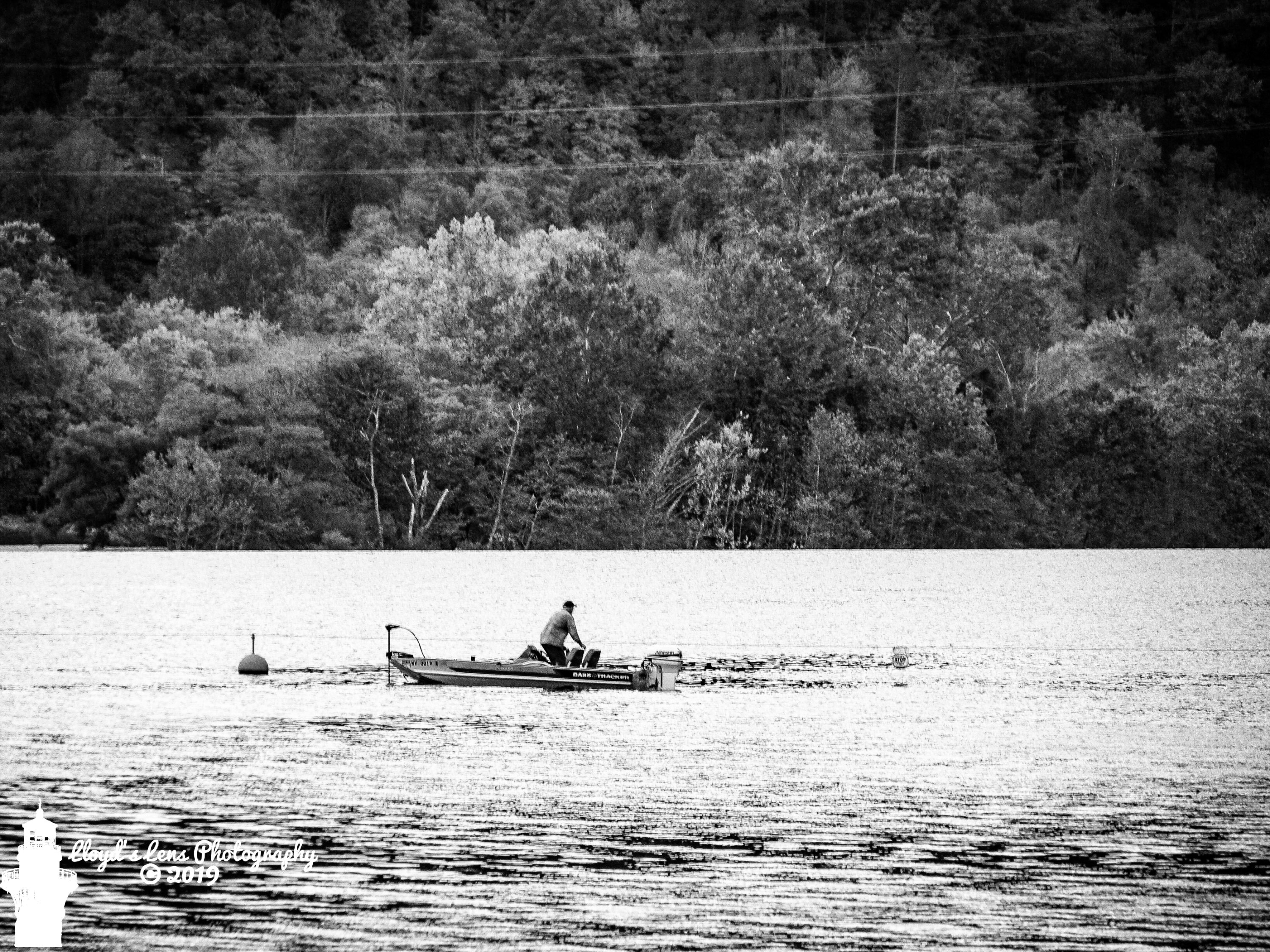
It occurs to me that in 35 #ForageFriday posts that I have yet to put any meat on the table. Also, with the onset of winter finding edible plants is definitely a bit of a challenge. So when I found the fishing photos in my archive I knew that I had to include them in my Forage Friday posts.

Thanks to Jack Spyrco of The Survival Podcast my definition of survival skills has expanded to include things that benefit every day life and not just the worst case scenario. I’ve tried to reflect this take on things in my Forage Friday posts and provide you with things that have a potential to wild foods that can be given space to grow and flourish in off lawn areas or even in a garden setting. With fish it’s a little more of a challenge. Most of us don’t have ponds on our land and for those in an urban environment installing a pound a pond large enough to accommodate a reliable stock if food fish may not be possible. For those folks I’d recommend that you look into something like aquaponics. Otherwise you’ll need to find a body of water where you can drop a line. Pollution is a huge concern with fish. The mercury found in tuna is of particular importance because it accumulates in the fish. While humans have a way of clearing mercy from the body over consumption of contaminated fish can lead to health problems. Freshwater fish can also be contaminated and mercury is just one of the potential substances that you need to avoid. Fortunately, your local fish and wildlife conservation service will have a list of areas where the fish should not be eaten.

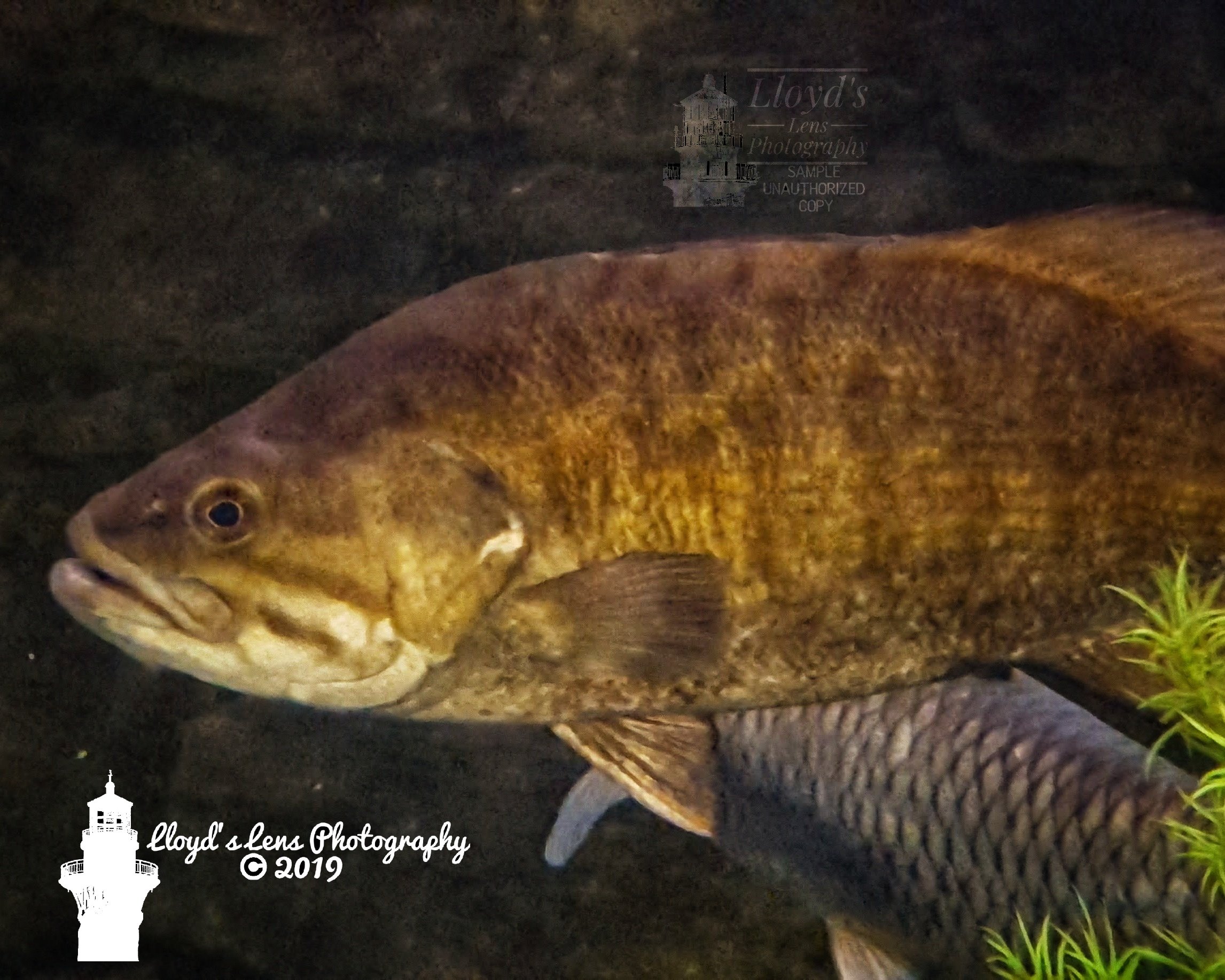
A large bass and a carp in the tank of my local Cabelas sporting goods store.

As far as aquaponics and aquaculture goes I really don’t have experience beyond a tank of tropical fish from the pet store. The main concerns of caring for them were keeping the tank clean and the fish healthy. I can only presume that those concerns get larger when you talk about tanks that are in the thousands of gallons. Regular maintenance seems to be key there. Fortunately for me, I practically live in water-world. There’s at least 5 fishable rivers and a multitude of smaller streams as well as a lake with 50 miles of shoreline all within a short drive of my home. Artificial resources like stock tanks would guarantee that I would have something for the grill but I just haven’t made the investment. The economic potential of supplying fresh fish to farmers markets and restaurants might just be worthy of the effort one day and could even be a good cottage industry for someone who’s willing to learn the techniques.

For the rest of us fishing is a form of foraging. It’s a way to connect with nature and enjoy the simple blessing of partaking in God’s creation. We crave the ambiance of the life in wild places and the challenges of the sport side of fishing.

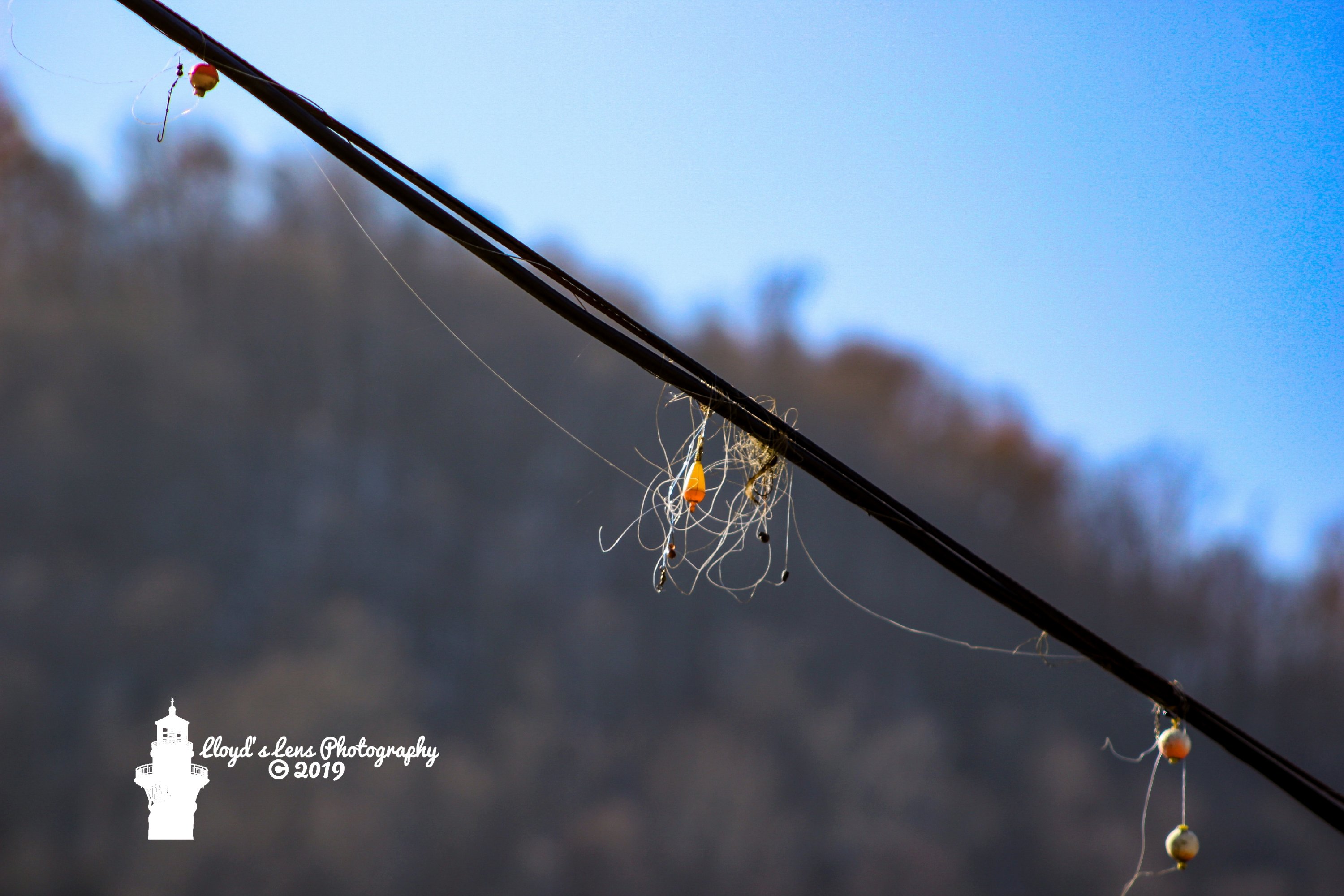
Image Titled “Hang Ups On Muddelty Creek”

It’s easy to lose your situational awareness when you so focused on that perfect casting technique. This power line above one of the more popular fishing holes in my area has a collection of tackle from those who became so lost in the activity that they forgot to look up.

Speaking of those iconic red and white bobers hanging from the cable, I’ve come to believe that in some areas that the fish have learned to avoid them. I’ve tossed them out of my kit in favor of natural cork. Cork is made from tree bark and tree bark is naturally found in the water. The fish are actually attracted to it and don’t associate it with the hook.

In most of the USA game fish like bass, catfish and pearch are regulated and techniques like weirs and spears are strictly prohibited. However, not all fish are considered game fish ( check your local regulations) and can be taken with a bow and arrow.

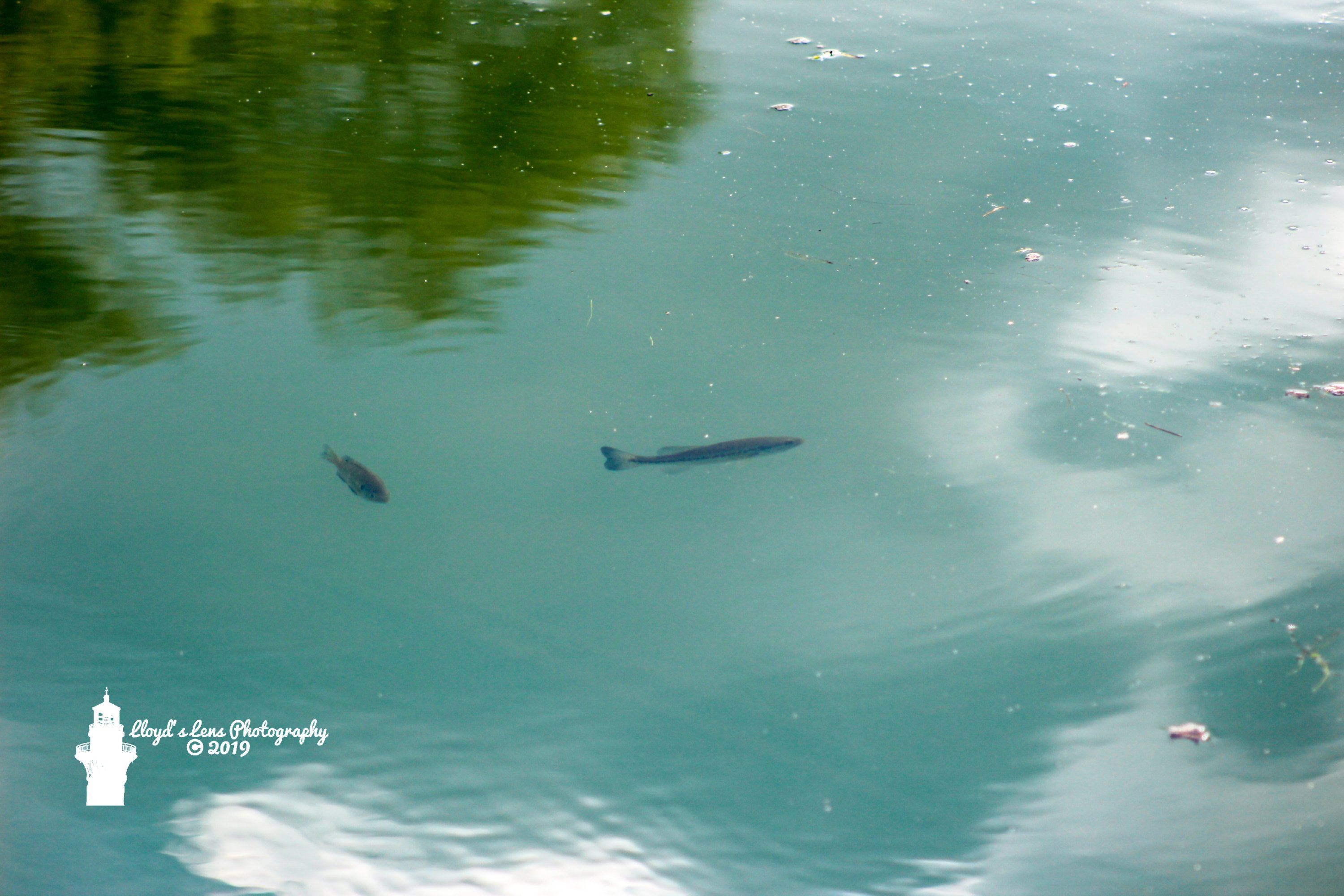
The tricky part of bow fishing is learning how to aim. Because the water bends the light the fish appear a little higher in the water than they actually are.

Image Titled “Life In Perspective”.

The image here shows the refraction of the light making the fish appear in a place where they are not. Bass and Bluegills are not legal to take with a bow but if it was you’d need to be able to estimate how low to aim.

Once you’ve got the fish out of the water and cleaned there’s as many ways to cook the fish as there are fish in the sea. My favorite way is to simply open the robs and prop it up over a pile of hot coals. A Native American way of cooking fish is to wrap it aromatic leaves and seal it in wild clay from the river bank. The whole package is buried directly in the hot coals and slow roasted. Once it’s done you just crack the clay open and dig in.

I have more to say about fish and fishing but I think I’ll save it for a later date. For now I hope that you have a blessed day!

Hello Friends and thank you for your support of my page. If you have enjoyed the photos or the writings please let me know by commenting and sharing my work on your social media. I also want to invite you to Follow Lloyds Lens Photography on Facebook

If you would like to Follow me on Facebook the web address is

https://www.facebook.com/aviewfromthelens/

If you’re enjoying my blog and don’t want to miss a post then you can sign up for email alerts on my website.

https://lloydslensphotographyllc.com/

Click here to visithttps://lloydslensphotographyllc.com/

Did you know that I also do portraits by appointment? If you’re interested in a portrait session either message me on Facebook or Use the Contact form. The YouTube link below takes you one of my slideshows.

https://youtu.be/FDcrY6w8oY8

Have you checked out the Zazzle Store?

I’m now using Zazzle to fulfil orders. What this means for you is a secure way to place an order, discount codes & a broader product selection! Simply message me on Facebook oruse the contact form on my websiteand tell me which image you want and I’ll reply with a direct link to where you can place the order.

Clicking on the photo takes you tohttps://www.zazzle.com/lloydslensphotos?rf=238248269630914251

Lastly, all of the photos and writings are my original work unless otherwise specified and are not to be copied or reproduced without expressed written permission from the photographer.

Thank you again for your support of my page!❤
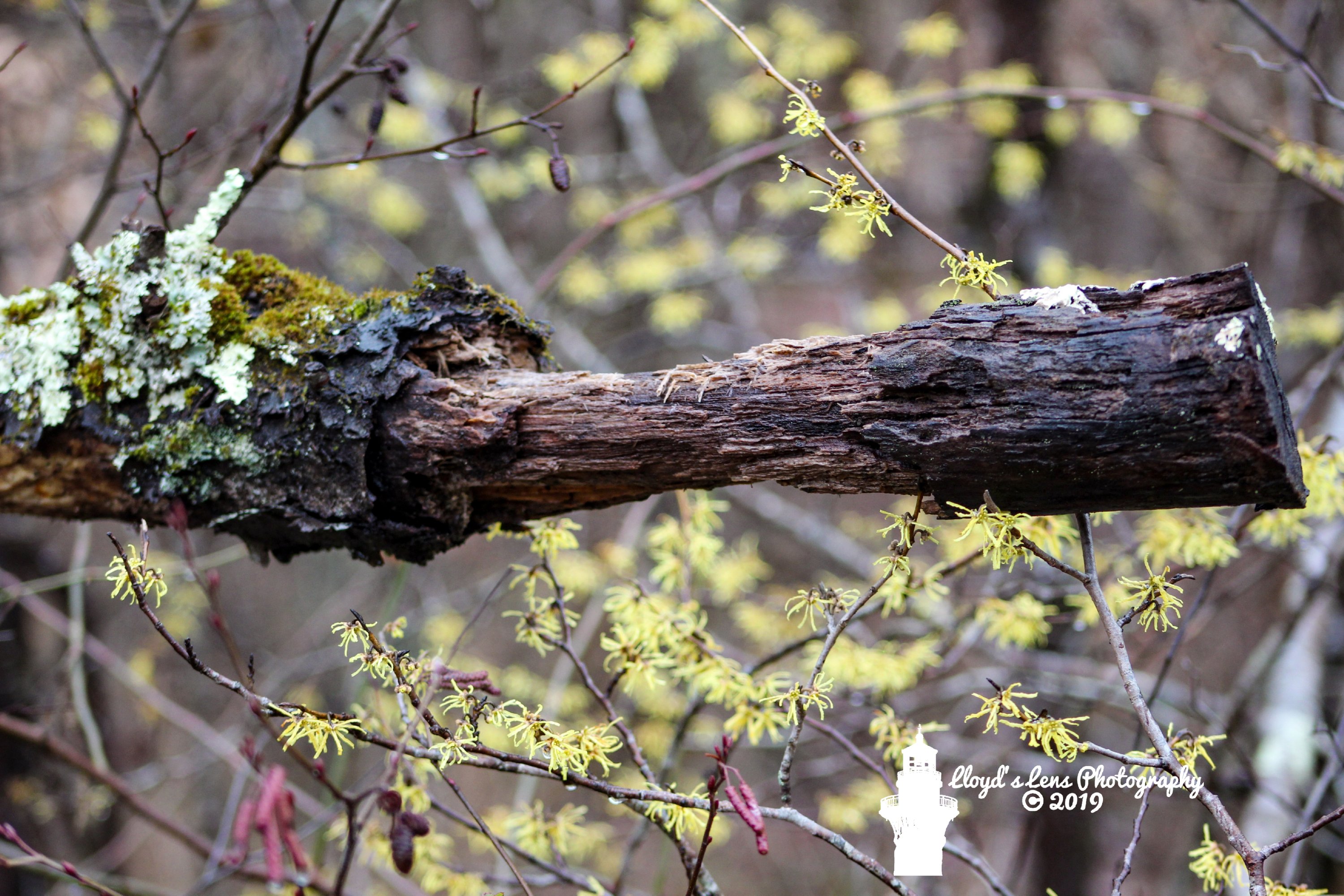
Forage Friday #34 Birch

Hello friends! Tonight’s feature image was taken specifically for Forage Friday. All of the photos are my original work and are available for purchase by the instructions at the bottom of the article.

One of the treats for a young person growing up in the Appalachian Mountains is reaching out to pluck a birch twig during a hike. Not just any birch but one of the sweet birches. The property I grew up on had plenty of black birch and it is the strongest flavored in my recollection but the property I have now has yellow birch on it. Both are wintergreen flavored and the inner bark can be made into a tea. The wintergreen flavor comes from methyl salicylate which functions like aspirin and therefore can be used for pain relief.

One of the surprises that I learned several years ago was the existence of birch beer. It’s called beer but it’s technically a wine. The birch tree is tapped like a maple and the sap is then boiled down into syrup just like maple and to make the birch beer it’s allowed to ferment into wine. I can’t really speak to the flavor of birch syrup or beer/wine but it’s mentioned in several of my guide books.

The curly bark of a yellow birch in my property.

The bark of a yellow birch has a distinctive look. The long curls of lose bark are kinda hard to miss. Birch bark here in the USA is thought of as the construction material for Native American canoes but I think that they used the tighter bark of the white birch with is more of a northern species. The bark was used for making cooking vessels as well. A square tray made from birch bark can be coated with the birch resin and made waterproof enough to cook soup by placing it directly in the fire. Even though birch bark is extremely flammable the water inside keeps it from burning and thus you can cook in it.

Speaking of birch resin, a very useful substance that’s commonly called “Birch oil” is a resin extracted from the bark. The method used is to coil the Bark in a can with a hole in the bottom. This can us placed over a second can or glass jar that’s in a hole in the ground and the whole thing is covered with hot coals from a fire and baked slowly. The oil collects in the bottom jar. In the 17th and 18th centuries people living in Russia used it to waterproof leather and I’ve heard it referenced that during World War 2 Jews who escaped into Russia was able to extend the life of their footwear with the aid of birch oil. A 5000 year old artifact found in Finland turned out to be chewing gum made from birch tar. Which shouldn’t be surprising because the Neanderthals used it to fletch their arrows.

What gardener doesn’t hate snails and slugs? They’re nothing more that living stomachs that destroy our gardens but the birch resin can come to the rescue here too. Mix up a little birch resin with petroleum jelly and paint a barrier around your food plot to keep the slimy critters out. (It’s said to last for months but it’s not a trick that I’ve tried yet. )

Birch resin is also used in making some perfumes but I haven’t researched into that yet.

Lastly, in the more northern climates birch is host to the true tinder fungus. Also known as Chaga. When we get into medical uses for anything I mot only feel the need to urge you to do your own research nut to be extra cautious about the advice you get. Chaga is one of those useful plants that has been hailed as a cure-all. There’s a lot of treatments cited and while I’m sure that there’s a lot of things that it helps I find a claims to be a little overblown and just way too enthusiastic about results. However, this parasite of birch trees was found in the kit of Otzi the ice man. Not only could it be used as incense to keep insects away but it actually helps build fires as tinder ( hence the name true tinder fungus) and he was apparently using it as food and medicine himself. I have included it in this post because of its close association with the birches. Those who study it say that it’s medicinal qualities come from it’s ability to concentrate Betulinic acid that’s produced by the birch tree. Studies are being done that say Betulinic acid may help some cancers but again, this is outside of my understanding enough that I have to ask the reader to seek out a professional for any advice about the validity of that claim.

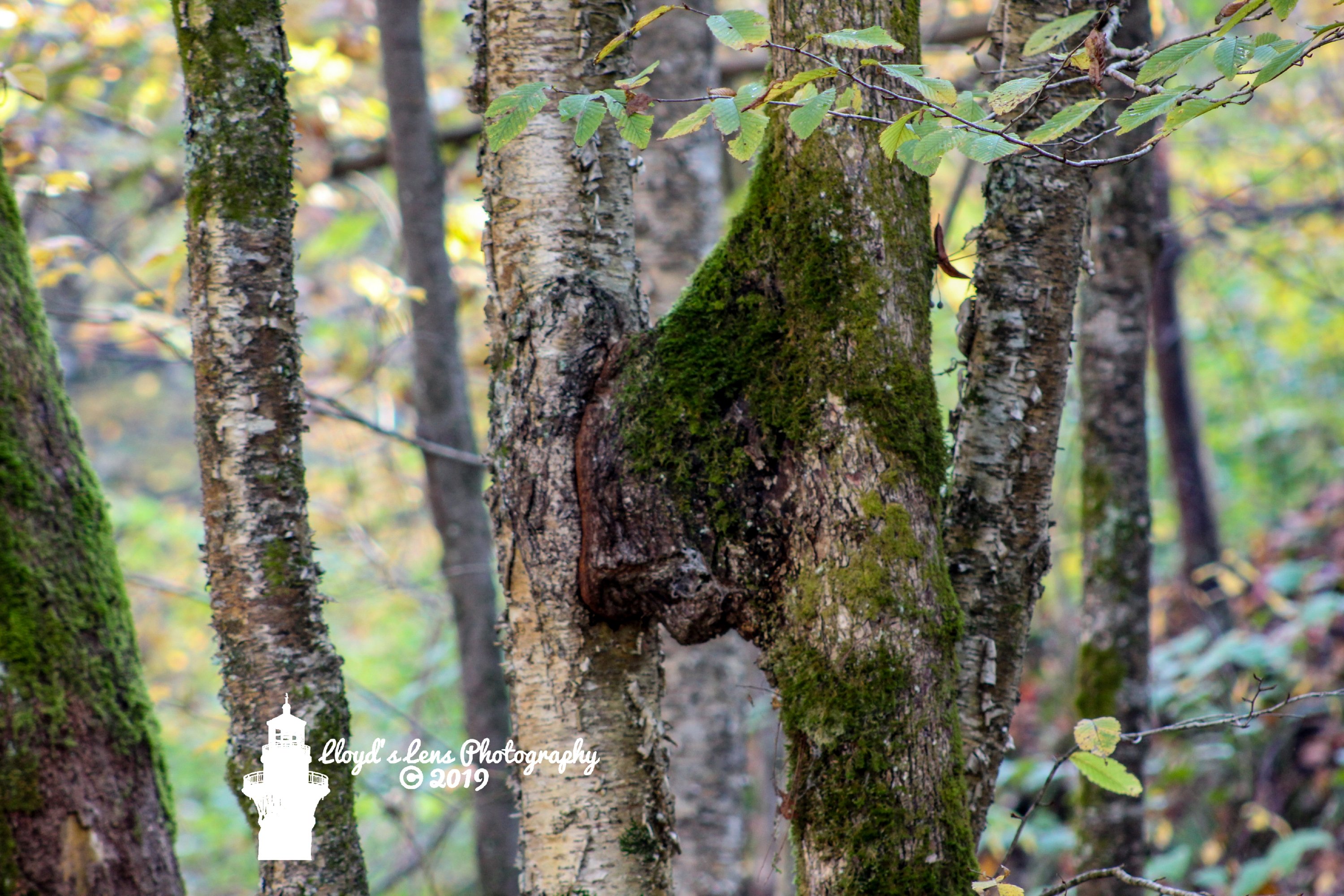
One last image that I have to share is one of the more interesting trees on my mountain. It’s what’s called a false graft. Normally a graft can only occur within the same species but on the edge of my yard I have a yellow birch and a magnolia that are mechanically joined. Just how this happened I don’t really know for sure. It’s common for trees that are close to each other to grow around one another but here the magnolia is actually growing a horizontal trunk into the birch.

The odd mechanical graft on my property.

I hope that you have enjoyed tonight’s Forage Friday post. When I started Forage Friday I stated that I would continue to post them as long as I could find wild edible plants to feature and I do plan to continue #ForageFriday indefinitely. However, as the winter months are upon us I might have to post an alternative here and there to keep from having to post duplicate photos. I have held back some photos so I can try to stretch the content for as long as possible but we’ll have to see if it was enough. Good night and be blessed!

Hello Friends and thank you for your support of my page. If you have enjoyed the photos or the writings please let me know by commenting and sharing my work on your social media. I also want to invite you to Follow Lloyds Lens Photography on Facebook

If you would like to Follow me on Facebook the web address is

https://www.facebook.com/aviewfromthelens/

If you’re enjoying my blog and don’t want to miss a post then you can sign up for email alerts on my website.

https://lloydslensphotographyllc.com/

Click here to visithttps://lloydslensphotographyllc.com/

Did you know that I also do portraits by appointment? If you’re interested in a portrait session either message me on Facebook or Use the Contact form. The YouTube link below takes you one of my slideshows.

https://youtu.be/FDcrY6w8oY8

Have you checked out the Zazzle Store?

I’m now using Zazzle to fulfil orders. What this means for you is a secure way to place an order, discount codes & a broader product selection! Simply message me on Facebook oruse the contact form on my websiteand tell me which image you want and I’ll reply with a direct link to where you can place the order.

Clicking on the photo takes you tohttps://www.zazzle.com/lloydslensphotos?rf=238248269630914251

Lastly, all of the photos and writings are my original work unless otherwise specified and are not to be copied or reproduced without expressed written permission from the photographer.

Thank you again for your support of my page!❤