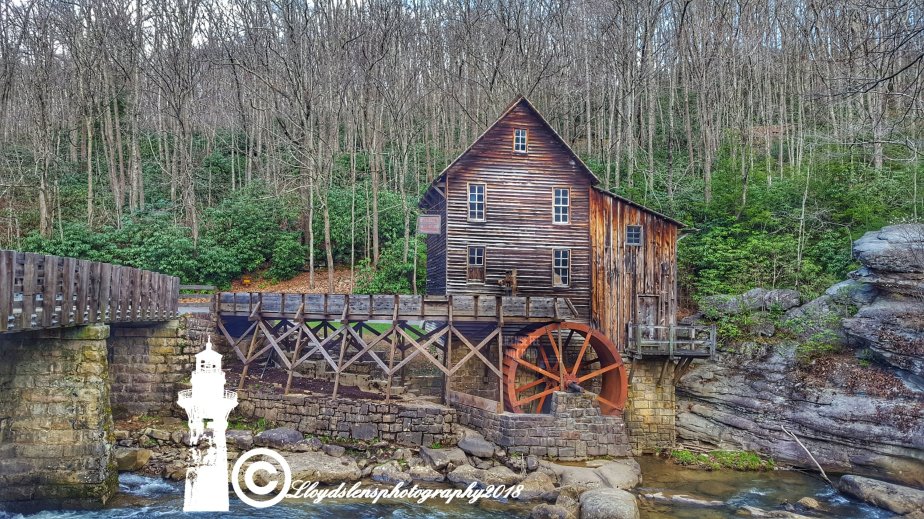
Glade Creek Grist Mill at Babcock State Park 4.29.18

I love the old Glade Creek Grist Mill at Babcock State Park in West Virginia. I have been told that it’s the most photographed mill in North America. It always has an awesome scene to capture no matter what the season. The mill was actually built from the recovered pieces of other mills that had shut down. West Virginia is known for its coal mining but we have a lot to offer in green energy too. Our rivers and streams are in perpetual motion and capable doing a lot of work. This mill is still operating seasonally and grinds grain but others in the past milled lumber for our timber industry.

This image was taken last Sunday prior to meeting with a client for portraits. (Yes, I do portraits too 😁 anyone in southern West Virginia that is interested in portraits can contact me either on my website contact page or message me on Facebook)

Oh Deer! Where Did You Come From?!

Living close to nature means interesting neighbors. They are generally good natured and tend to keep to themselves. Oh sure there’s the occasional dispute over who owns the garden but for the most part they don’t bother anyone. Being the outgoing personality that I am, I decided to walk over and check on her after a long hard winter. However, she didn’t seem to be happy that I interrupted her breakfast. In fact, she looked downright stressed that I was there. “Hello, how’s it going?” I spoke in a nice soft tone. She refused to answer. Once more I tried to start a pleasant conversation. “I see you made it through the winter ok.” Can you believe that she just stomped her foot and snorted off? How rude was that? But in her defense I was there unannounced and she probably hadn’t had her morning coffee 😉

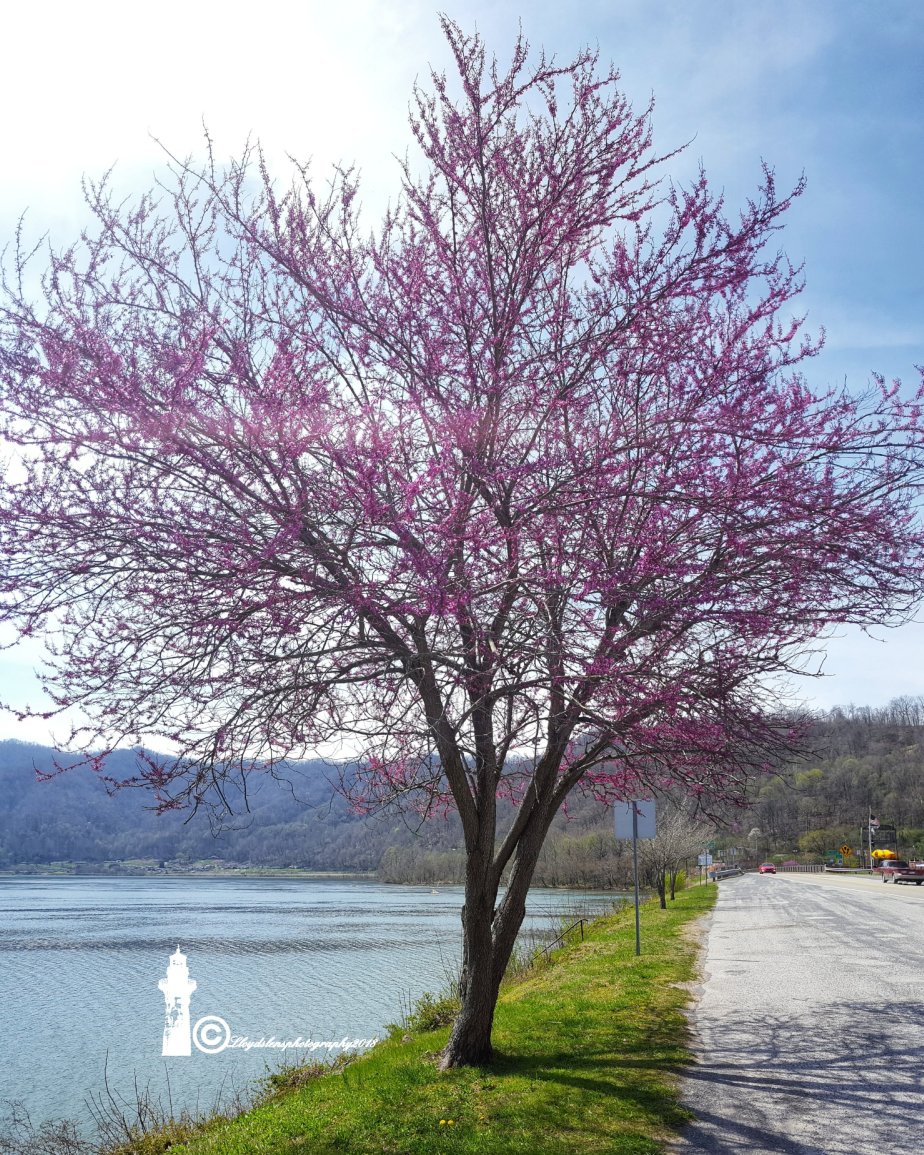
Canadian Redbud

Today is Arbor Day! I’ve not really spoken much about my my educational background on my blog. My formal education is mostly in Forest biology. At one point my long term goal was to get into strip mine reclamation. Redbud is one of the trees that is used to recondition the soil. Redbud is a legume which means it has nitrogen fixing bacteria in it’s roots. While it seldom gets to be timber sized it can to be about 20 feet tall (6 meters). I used to have one in my backyard that was quite thick for a shrub. It was about 18 inches (45.72 cm) at the base. The beautiful pinkish purple bloom is actually edible and the pods are too when processed properly.

The best thing about Redbud is that it’s one of the trees that blooms early in the Spring. At the time I am writing this the photo is a couple of weeks old. After the long dark winter the burst of color from the Redbud is a breath of fresh air.

Lifecycle

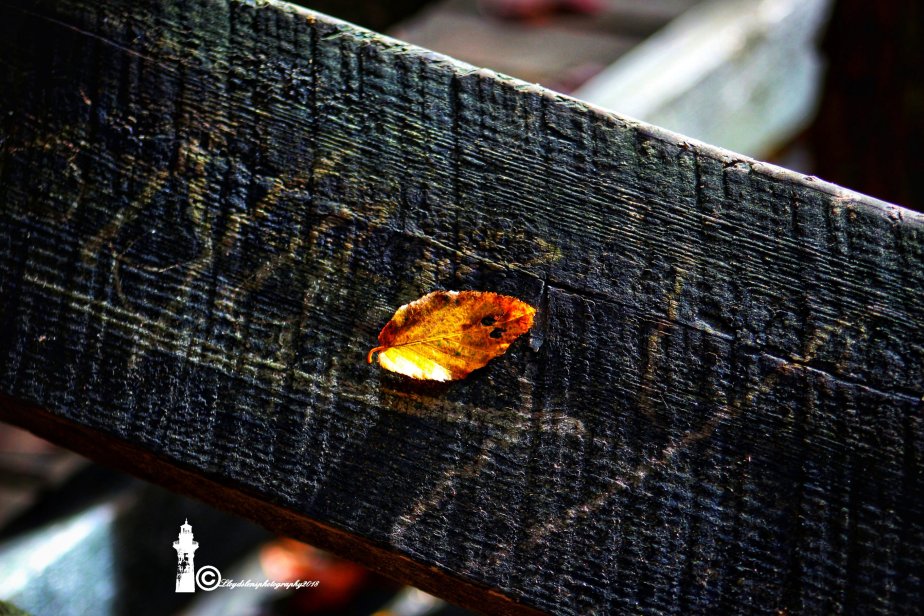
From the first warm Spring rain you awoke to the life giving glow of solar affection.

For a season you bathed in radiance and grew strong enough to withstand the violence of the summer storms.

Strength has now faded and your tasks are complete. All that is left is to carry your golden glow to the forest floor and sleep until the time of rebirth when the sparrow sings and glory awakens you once more.

– Lloyd A Dempsey II

I have always observed that God’s Word is written first on nature. The life cycle of the deciduous trees of Appalachia teaches me that a Christian is conceived in Grace. The leaves don’t go and pull down the light from the sun. It is freely available for them to receive. We as humans don’t call down grace. It’s already here and freely available to anyone. In order to receive the life giving light of the sun the leaves must both awaken and open to receive the light. The Christian must also be awakened and open to receiving the grace of God. It’s the light that makes leaves strong enough to withstand the storms. Our strength is in Christ. At the end of the season the energy collected by the leaves stays in the leaf and is added to the fertility of the forest floor which is taken up by the roots of the tree and used to produce a new leaf. The Grace of God is carried into death by the believer until the day that Christ returns and wakes us from mortal slumber and we are made new.

Making Your Mark

I stumbled across this cairn last year. I knew that people would stack up rocks as a way of marking that they had been there but I didn’t know that it was called a cairn. I had always thought that a cairn a Celtic tomb. It’s a much nicer way to leave you mark than tagging. I guess it’s human nature to want a marker to say “I have been here. ” I was at the end of the Kilroy fad. I never knew why we did it and the origin of the mark is… well, “lost to urban legend “. I just knew that he was a funny little guy with a big nose and he likes to peak over the walls. Below is a poorly scrawled example. ( There’s a reason why I do photography instead of drawing )

No matter if it’s a stack of rocks or a poorly scrawled cartoon we seem to want to be remembered. Even if it’s anonymous. We have an instinct to not be forgotten. I have also picked up a small stone from my land and made a mark on it to leave behind on a trail.

(One of my abstract marks . It’s a stylized representation of my initials)

I wouldn’t recommend defacing public or private property thought. But, if you leave something that’s not litter and just enough to make someone curious I consider it a gray area. There’s a local group who paints stones and leaves them where it’s not obvious but it can still be found. If you write a word of encouragement on the stone it might be found by the right person at the right time to change their day. And wouldn’t that be a good way to leave your mark on the world? Not written in stone but transferred to a heart through the stone.

Warm weather is upon us and people will be out enjoying the fresh air. If you can do so without breaking any laws or damaging property let me encourage you to find a way to anonymously leave something behind to make someone smile.