
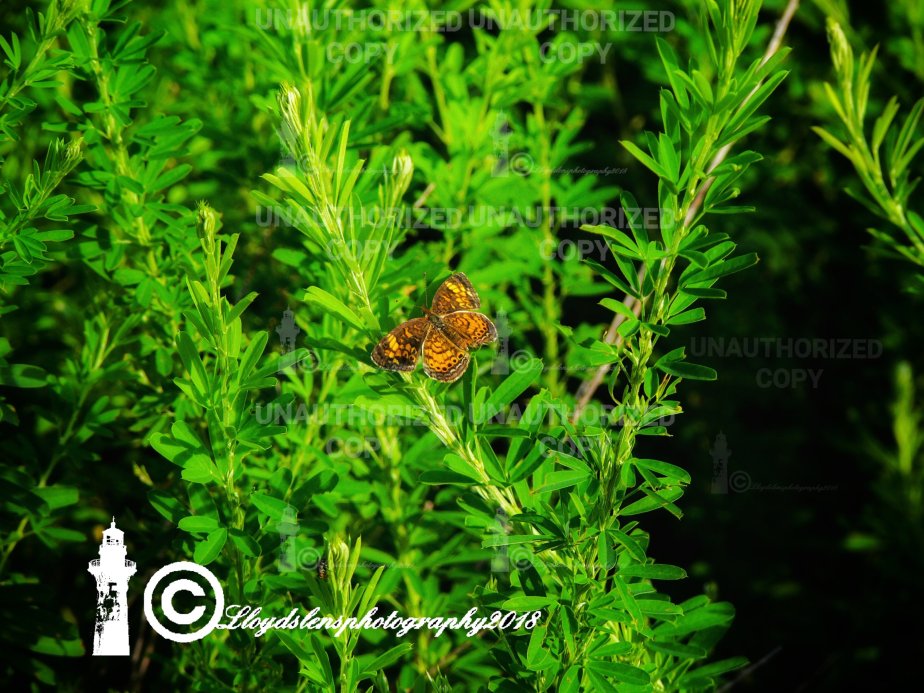
As summer season comes to a close in the Appalachian Mountains it’s important to enjoy the sunshine as often as possible. Already the morning air is beginning to feel crisp and cool. As we draw nearer to September the afternoon is generally warm but without the oppressive humidity of July and early August. It’s a great time for a walking some ignored backroad or forest path. Occasionally I meet a fitness walker who’s just trying burn off a few extra scoops of ice cream, but I’m here simply to decompress from the day. I turn off the music and podcasts. Let my Facebook notices wait a bit and keep an eye towards the roadsides. I’m looking for anything interesting to catch in my lens. The little tortoise shell butterflies dance and play in sunbeams as I walked. The one in my feature image circles around my head a few times as if to say “Look at me! Look at me!” And begins a game of catch me if you can. First it lands on some golden rod and I step over for shot. Before I can focus it flutters over to an elderberry bush on the opposite side of road. Then it’s off to explore some red clover. I’m trying to keep it in frame and getting a better workout than the fitness walker who giggled slightly as she passed. Finally the little guy comes to rest on the lespedeza and unfolds it’s beautiful wings for me. Who needs a personal trainer when mother nature is so playful?
Tag: Organic life

The Great Blue Herons
Something stalks the neighborhood in my mountains. Slowly and silently it creeps along the banks of the rivers and streams. It sharp eyes detect the slightest movement just below the water’s surface. It strikes like lightning and it’s prey has little chance of escaping the razor sharp beak.
The Great Blue Herons are one of my favorite birds. I have never seen a native species that reminded me more of a dinosaur. The one pictured here was close to three feet tall. The long serpentine neck, wide wingspan and habit of trailing it’s lags as it flies really makes one think that they’ve crossed into the distant past. This one also seems to have a sense of humor. It likes to lurk around just below the bridges in my neighborhood and spring up out of creek when you least expect it. If I didn’t know better I’d swear it laughs as it flies away. I haven’t been able to spot the nest yet but I do occasionally hear it’s grunting calls coming from the thick bush. They’re truly one of the more amazing sights in my wild wonderful West Virginia and hope you get to see one if you’re ever traveling close to the water. And, if you happen to hear a snicker it’s probably the one that likes to startle me.

When The Quiet One Speaks
It’s in those moments of peaceful contemplation that you really get to know the voices the speak to your spirit. We all have theses inner voices that speak to us throughout the day. The voice that tells you that you have chores to do, the voice that talks you out of doing those chores. There’s a voice of confidence. ( Be careful about this one because he can get you into trouble. ) There’s the voice of doubt. ( Also not to be fully trusted. )
I suppose that if we were to take inventory of all these inner voices that the list could be quite long. But the one I want to focus on is the quiet one. The voice doesn’t speak often. He patiently waits for an opportunity to make his point. The quiet one doesn’t compete with the other voices. He doesn’t have to. He doesn’t argue or complain. The quiet one is logical and honest without being judgemental. The quiet one is the voice of Truth. He’s that Still, Small Voice. He is the voice of God. One of my atheist friends once expressed concern ( while smirking) about people who think God speaks to them. My only answer there is that God speaks to everyone, it’s just that not everyone listens. As I said, He doesn’t compete with the other voices. He simply waits to be heard. This why in a lot of my writings I like to focus on the opportunity to sit in quiet and peaceful places. It’s why I strive to push back the world with its ads and loud voices that attempt to dominate your every thought. Because when that Voice Of Truth speaks I don’t want to miss out on what was said. His words are life that added to my day.

The Big Old Tree On Route 60
I love big old ancient trees. The older the better. In ancient times, big old trees were thought to be magical entities that stood between heaven and earth. They guarded the secrets of the universe. Trees also represent a shelter for weary travelers. The give us food and medicine. I believe that the tree in the feature image is a Red Elm tree. Also known as the Slippery Elm, the inner bark yields a mucilaginous substance that is used to treat respiratory ailments. The tea made from the inner bark has a sweet spicy flavor that’s pleasant enough to enjoy just for relaxing. Don’t drink too much because it’s also a laxative.
I’m really surprised that this one is still around. Sadly, the Elm population was nearly destroyed by Dutch Elm Disease. In the spring the government hangs purple boxes in the trees that attracts the beetles responsible for the spread of fungus. The beetle traps seem to be working well so hopefully we’ll have these awesome trees around for generations of travelers to shelter under or collect medicine from.

The Providence Of God & Walking With My Grandfather
Some of my most cherished memories are the long walks with my grandfather. He was World War Two veteran who walked with a cane due to shrapnel that was embedded in his leg but that never seemed to slow him down. He would come over to our little house trailer which was next door to his house and invite me to help him check on the cattle. He was also a survivor of the Great Depression and on our walks he would teach me about the things that they used to do to stretch the budget. One their best resources was the wild edible plants that are found in abundance in Appalachia. Pictured here is Chicory. All parts of the plant are edible. The leaves are eaten as a salad green and the roots are roasted and then ground into a coffee substitute. ( no caffeine). The blue petals if Chicory are a natural litmus test. When exposed to an acid they change from blue to red.
In the background of the image is Queen Anne’s Lace. ( the white flowers). Now, you have to be careful about collecting it because there’s also poisonous look-alikes such as hemlock. Queen Anne’s Lace usually has one tiny little blood red flower in the center of all that white. How’s it used? Well, I’m pretty sure that most of the world already knows because it’s simply a wild carrot. The root doesn’t really look like what you buy in the store or raise in your garden. It is small, white and kinda bland. But, it is a carrot none the less.
Most people look at the plants that grow without any help from humans and all that they see are weeds but I see the province of God and hear the voice of my grandfather.
 LLOYD'S LENS PHOTOGRAPHY LLC